Navigating the L1 Intracompany Transfer Visa Process: Realities and Providers to Guarantee a Smooth Change
Guiding through the L1 Intracompany Transfer Visa procedure can be complicated. It needs a clear understanding of qualification requirements and precise documents. Companies have to develop a qualifying connection in between the entities, while applicants have to plan for interviews. Engaging experts can alleviate the burden of this process. Many still come across usual challenges. What methods can be applied to assure a smooth change for both companies and employees?
Understanding the L1 Visa: Kinds and Eligibility Needs
While several people seek opportunities in the United States, comprehending the L1 visa's types and eligibility demands is essential for an effective application. The L1 visa is designed for intracompany transferees, enabling multinational firms to transfer employees from consular services to U.S.-based places. There are two primary categories: L1A and L1B. The L1A visa is for managers and execs, while the L1B visa is planned for workers with specialized expertise relevant to the firm's services or products.
Eligibility standards include holding a qualifying position for at least one year within the last 3 years at a consular service of the same employer. The business should have a certifying relationship with both the foreign and U.S. entities, demonstrating that the transfer is essential for company procedures. L1 intracompany transfer visa. Recognizing these differences and needs is crucial for potential candidates going for a smooth shift to the united state labor force
The Application Process: Step-by-Step Guide
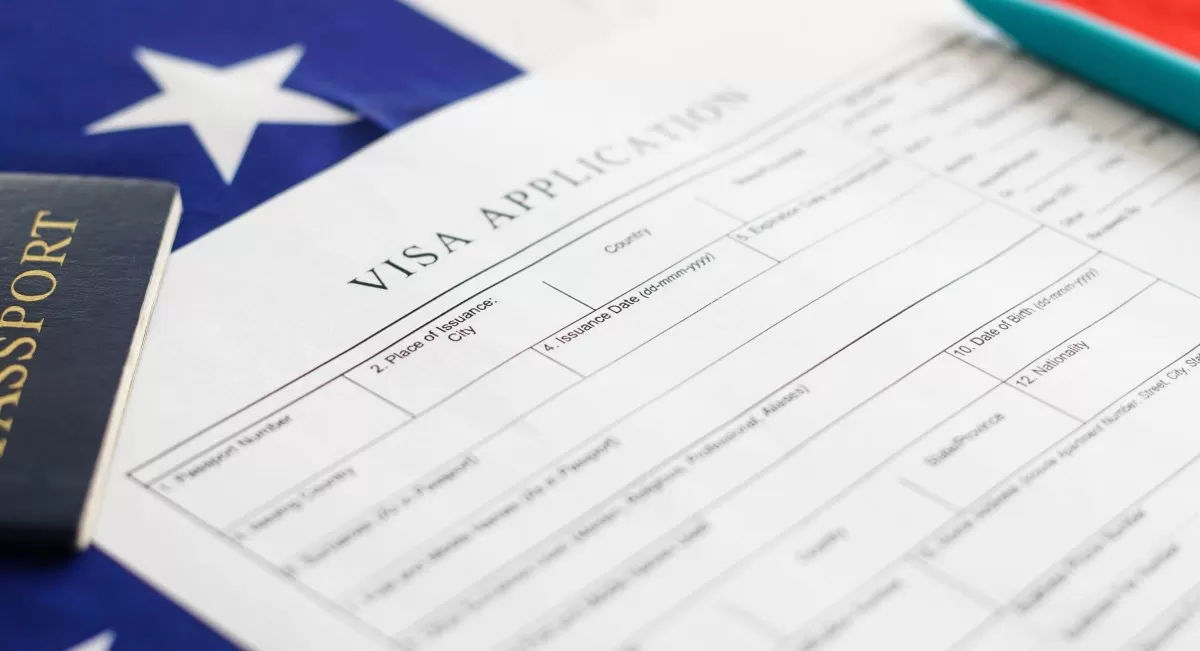
Navigating with the L1 visa procedure can appear daunting, but simplifying right into convenient steps can streamline the trip. First, the applicant should identify the suitable L1 visa kind, either L1A for supervisors and execs or L1B for staff members with specialized understanding. Next off, the employer should file Type I-129, Request for a Nonimmigrant Employee, with the United State Citizenship and Immigration Services (USCIS), outlining the employment relationship and job description. When accepted, the applicant can complete the DS-160 form for the visa and timetable a meeting at a united state consular office or consular office. During the meeting, the candidate should be prepared to review their duty and connection to the business. If provided the visa, they can make plans for moving. Each of these steps is crucial for guaranteeing a smooth application procedure and a successful shift to the U.S.
Required Documentation for L1 Visa Applicants
A comprehensive set of paperwork is important for L1 visa applicants to guarantee an effective application procedure. The main papers include a completed Kind I-129, Application for a Nonimmigrant Worker, together with the L Supplement. In addition, evidence of the qualifying connection in between the U.S. and foreign company is required, which can be developed via business documents. Applicants should likewise supply evidence of their employment history, including task titles, obligations, and duration of work with the business.
Moreover, applicants must submit comprehensive work descriptions for both the U.S. and international positions, showing that the applicant will certainly be satisfying a supervisory or specialized expertise duty. Financial statements of the firm may be required to verify its functional status and security. Finally, candidates ought to include individual recognition records, such as a valid copyright and photographs, to complete their submission. Correct organization and completeness of these papers can considerably boost the chances of approval.
Typical Obstacles and Just How to Get rid of Them
Steering the L1 visa process can offer several challenges that applicants must resolve to guarantee a smooth experience. One typical concern is the complexity of the needed paperwork, which can bring about hold-ups if not correctly arranged. To conquer this, applicants should produce a list of required documents and confirm that all products are present and precisely reflect company operations.
An additional obstacle is the possibility for miscommunication with lawful agents or federal government authorities, which can cause false information. Engaging an experienced migration attorney can minimize this risk by giving clear advice and verifying all communications are specific.
Applicants may encounter difficulties in showing qualification for the L1 visa. Thoroughly looking into L1 visa needs and preparing an engaging case that highlights the candidate's credentials and the firm's company demands is essential. By proactively dealing with these challenges, applicants can improve their chances of a successful application.
Timing and Handling: What to Expect
While the L1 visa procedure can differ in period, understanding the regular timelines and handling steps is vital for candidates. Usually, the preliminary preparation of documentation may take numerous weeks, relying on the complexity of the instance and the readiness of the necessary products. As soon as submitted, the processing time at the united state Citizenship and Immigration Services (USCIS) commonly ranges from 2 to 6 months.
Applicants may choose for premium handling, which speeds up the choice to 15 schedule days for an additional cost. It is very important to consider potential hold-ups triggered by added ask for proof or backlogs. Furthermore, consular handling times for those applying from outside the united state can additionally differ commonly. For that reason, mindful preparation and a clear understanding of these timeframes can greatly affect the total success and timing of the L1 visa.
Sustaining Employees: Resources and Solutions Available
As companies sustain employees proceeding L1 visas, various resources and services are necessary. Legal aid choices can help navigate immigration intricacies, while social integration resources facilitate smoother adjustment to brand-new settings. Furthermore, language support solutions improve interaction, additional relieving the adjustment procedure for description global employees.
Legal Assistance Options
Several firms acknowledge the intricacies of the L1 visa procedure and look for legal support to sustain their staff members effectively. Legal professionals specializing in immigration can offer necessary guidance throughout the application process, ensuring that all documentation is full and accurately sent. Several companies offer extensive services, including first examinations, preparation of necessary forms, and representation throughout interviews. Furthermore, some companies work together with immigration lawyers to supply workshops or workshops targeted at enlightening staff members about their rights and duties. By leveraging these lawful sources, business can help reduce the stress associated with visas and enhance employee confidence in navigating the procedure. Ultimately, specialist legal help is an indispensable resource for making sure an effective L1 visa adjustment.
Cultural Integration Resources
Social integration is a substantial aspect of the L1 visa experience, as workers move to a brand-new country and office atmosphere. Organizations frequently offer sources to facilitate this adjustment, such as positioning programs that present regional custom-mades, workplace etiquette, and social standards. Staff member resource teams can foster neighborhood, permitting individuals to get in touch with he has a good point others from similar backgrounds. Furthermore, workshops on cultural sensitivity can enhance understanding among varied groups. Firms may also provide mentorship programs that pair new staff members with experienced regional personnel, helping in specialist and individual adaptation. Access to social events and networking possibilities can further submerse employees in their new setting, advertising a smoother change and improving total task fulfillment and productivity.
Language Assistance Solutions
While moving to a brand-new country can be difficult, access to language assistance services plays a necessary role in assisting L1 visa holders navigate their job setting (L1 intracompany transfer visa). These solutions usually consist of language courses customized to the certain requirements of specialists, guaranteeing that staff members can connect properly in their office. In addition, several firms give translation solutions for important papers, promoting smoother communications between workers and management. Language support likewise incorporates resources like language exchange programs and conversation clubs, which motivate useful application and cultural exchange. By buying these services, employers not just improve their staff members' integration but additionally promote a more comprehensive office. Eventually, durable language assistance contributes greatly to the total success of L1 visa holders in their new roles
Tips for an Effective Shift to the U.S
Effectively moving to the united state after getting an L1 visa calls for mindful prep work and adaptability. New arrivals must acquaint themselves with regional customs, social standards, and office assumptions to ease the adjustment. Engaging in area tasks and networking can promote links and offer valuable assistance.
It is recommended to keep open communication with the company regarding any Extra resources type of adjustments needed throughout the modification. Utilizing sources, such as moving solutions or expatriate teams, can offer support and reduce tension.
Finally, being individual and preserving a favorable attitude will help in navigating difficulties and welcoming new experiences in the united state. A proactive method guarantees a more successful adjustment for L1 visa holders.
Regularly Asked Inquiries
Can Household Members Come With the L1 Visa Owner?
Yes, member of the family can accompany an L1 visa holder. Partners and single youngsters under 21 years of ages are eligible for L2 visas, allowing them to live in the USA with the key visa owner.
What Is the Period of the L1 Visa?
The L1 visa is usually granted for a period of three years, with the possibility of extensions (L1 intracompany transfer visa). An L1A visa owner might extend their stay for up to 7 years, while L1B holders can extend for 5 years
Can the L1 Visa Be Renewed?
Yes, the L1 visa can be restored. Generally, the L1A visa is extendable for as much as 7 years, while the L1B visa can be expanded for an optimum of 5 years, relying on eligibility.
Exist Any Type Of Travel Restrictions While on an L1 Visa?
While on an L1 visa, people can take a trip globally; nevertheless, they have to guarantee their visa remains legitimate and adhere to re-entry needs. Failing to do so may endanger their visa status and employment qualification.
What Occurs if the L1 Visa Is Denied?
If the L1 visa is refuted, the applicant might receive a notification laying out the reasons. They can deal with the problems, reapply, or discover alternative visa choices, but prompt travel may be restricted up until settled.
The applicant has to identify the suitable L1 visa type, either L1A for supervisors and executives or L1B for staff members with specialized understanding. An extensive collection of documents is important for L1 visa candidates to assure a successful application process. Maneuvering the L1 visa process can present numerous challenges that candidates should address to assure a smooth experience. While on an L1 visa, individuals can travel internationally; however, they need to ensure their visa remains valid and abide with re-entry demands. If the L1 visa is refuted, the applicant might obtain a notice outlining the reasons.